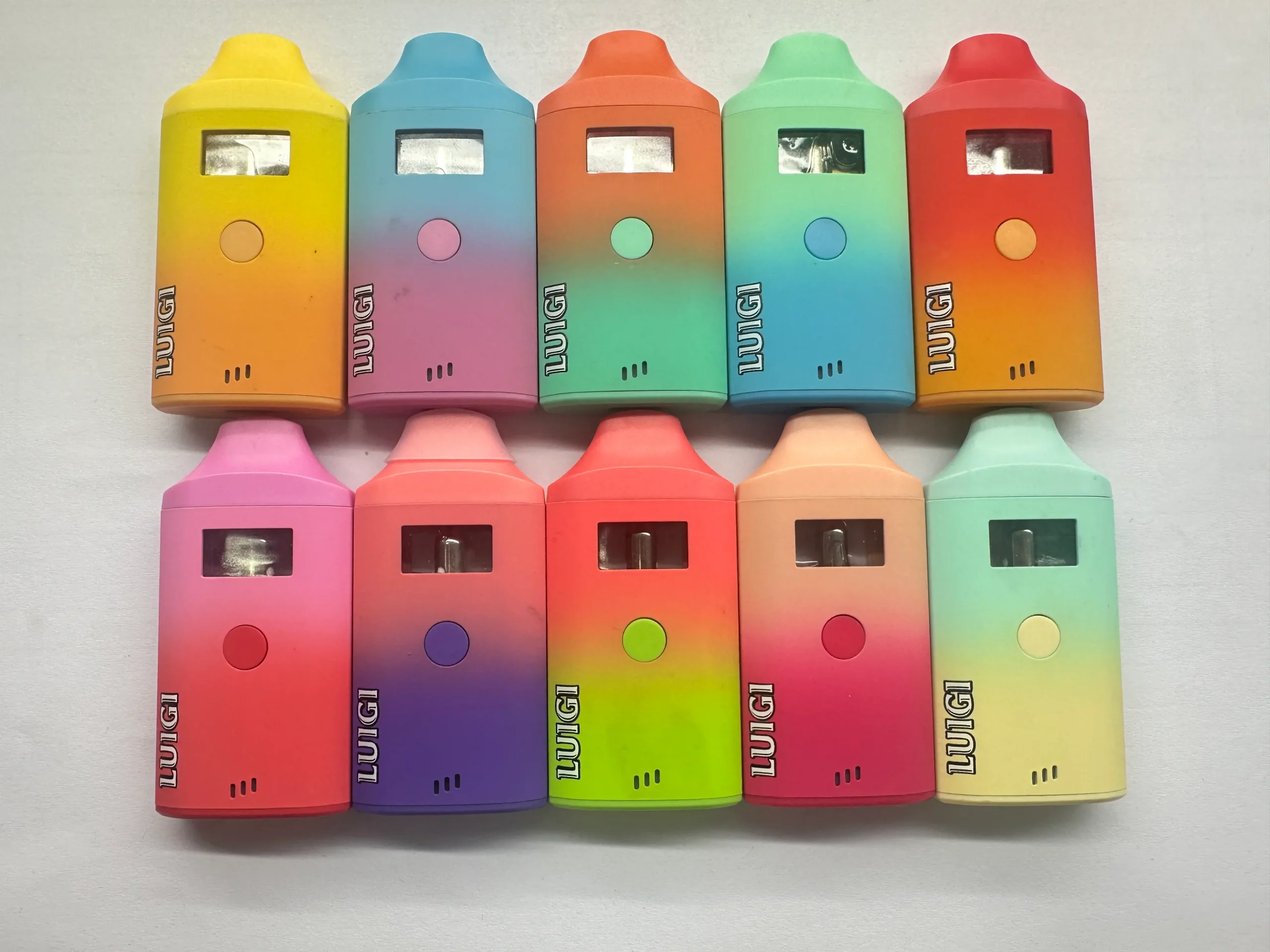
Learn how to check Luigi products for authenticity, identify counterfeit warning signs, verify packaging information, and make safer purchasing decisions.
Counterfeit cannabis vape products can be difficult to distinguish from genuine products simply by looking at the packaging. A convincing logo, QR code, or similar-looking cartridge does not necessarily establish that a product is authentic.
If you're trying to determine whether a Luigi product is genuine, the safest approach is to combine several checks rather than relying on one visual feature. This guide explains what to look for, how to use manufacturer-provided verification tools when available, and what to do if something about a product doesn't look right.
Why Authenticity Matters
The source of a cannabis vape product matters because counterfeit products may not have gone through the same manufacturing, testing, packaging, or regulatory controls as products sold through licensed channels.
Illegal or counterfeit vape products can contain unknown ingredients or contaminants. The CDC previously identified vitamin E acetate as strongly linked to the EVALI outbreak associated with THC-containing vaping products, particularly products from informal sources.
That doesn't mean that every suspicious-looking product is dangerous, or that appearance alone can identify a contaminated product. Some contaminants cannot be detected by sight, smell, or taste.
That's why where you purchased the product and whether it comes through a regulated supply chain are among the most important checks.
How to Verify an Authentic Luigi Product
There isn't one visual characteristic that can guarantee authenticity. Instead, work through the following checks.
Step 1: Start With the Seller
Before examining the product itself, consider where it came from.
For regulated cannabis products, purchasing through a licensed retailer provides substantially more confidence in the supply chain than purchasing through an unknown seller.
Be particularly cautious with products offered through:
Unverified social-media sellers
Informal delivery services
Unlicensed storefronts
Websites with no verifiable business information
Sellers offering unusually large discounts
Sellers unwilling to provide product or licensing information
A professional-looking website is not by itself proof that a seller is authorized.
The seller is your first authentication check.
Step 2: Check the Packaging Carefully
Examine the complete package rather than looking only at the Luigi logo.
Depending on the product and market, legitimate regulated cannabis packaging can contain information such as:
Product name
Manufacturer or licensee information
Batch or lot information
Packaging information
Cannabinoid information
Required regulatory warnings
Product weight
Ingredients where applicable
Compliance symbols or required state information
Look for obvious inconsistencies such as:
Misspelled words
Poor-quality printing
Misaligned labels
Missing regulatory information
Contradictory product information
Damaged or suspicious seals
Packaging that differs substantially from legitimate examples
A printing error doesn't automatically prove a product is counterfeit, but several inconsistencies together should increase your caution.
Step 3: Use the Official Verification System If One Is Provided
Some cannabis brands use QR codes, scratch-off systems, serialized labels, or other authentication technologies.
If your Luigi package includes an official verification feature, follow the instructions supplied with the product.
What to check
Locate the verification code or QR code.
Scan it using your phone.
Examine the destination carefully.
Confirm that the page belongs to the appropriate manufacturer or verification service.
Compare any product or batch information shown with the physical package.
Important: Don't Trust a QR Code Automatically
A QR code by itself does not prove authenticity.
Counterfeiters can copy legitimate QR codes or create websites designed to resemble official verification pages. A QR code that simply redirects somewhere is therefore not sufficient evidence.
Look at the domain, verification result, and product information together.
If the verification result doesn't correspond to the product you're holding, stop and investigate before using it.
Step 4: Compare Batch and Product Information
Look for batch, lot, or other identifying information on the package.
Where the manufacturer provides identifying information, compare it against the information displayed through its official verification system or documentation.
Don't assume that every product will have a publicly searchable serial number or that every number will appear in exactly the same location.
Watch for inconsistencies
Potential warning signs include:
Missing batch information where it should be present
Illegible numbers
Conflicting product information
A verification result describing a different product
Packaging information that doesn't correspond to the contents
Also remember that counterfeiters can copy legitimate batch numbers. A valid-looking batch number alone isn't proof of authenticity.
Step 5: Examine the Hardware
If you're legally able to inspect the product, look at the physical hardware for obvious manufacturing problems.
Potential warning signs include:
Cracked components
Poorly fitted parts
Leaking material
Damaged seals
Loose components
Unusual construction
Printing or labeling that doesn't correspond with the package
However, hardware appearance should be treated as a secondary check.
A counterfeit product can sometimes look convincing, while a legitimate product can have minor manufacturing variation.
Step 6: Don't Use Oil Color as Your Authentication Test
One of the easiest mistakes is assuming that a particular oil color proves that a cartridge is genuine.
It doesn't.
Cannabis extracts can vary in appearance depending on the starting material, extraction method, processing, storage conditions, age, and other factors.
Likewise, darker oil isn't automatically counterfeit, and lighter oil isn't automatically authentic.
Never rely on:
Color alone
Thickness alone
Bubble movement alone
Smell alone
Taste alone
These characteristics cannot establish whether a product is genuine or whether it is safe.
Step 7: Check the Product Information Against the Package
If you're holding a packaged product, compare the information across the package rather than focusing on a single feature.
For example, check whether the:
Product name corresponds with the product inside
Product type matches the labeling
Weight information is consistent
Batch information is consistent
Manufacturer information is present
Verification result corresponds with the package
The more independent pieces of information agree, the stronger your confidence becomes.
Quick Luigi Authenticity Checklist
Before using a product, ask:
Did I purchase it through a legitimate, licensed source?
Does the packaging contain the expected regulatory information?
Does the manufacturer's verification system recognize the product, if available?
Does the verification information correspond with the physical package?
Are the batch or lot details consistent?
Does the packaging look professionally manufactured?
Is anything about the seller or product unusually suspicious?
If several answers raise concerns, don't assume the product is genuine simply because the package looks convincing.
QR Code Authentication: Advantages and Limitations
Advantages
Quick to check
Easy to access with a smartphone
Can connect packaging to manufacturer information
May provide batch or product information
Limitations
QR codes can be copied
Fake verification websites can be created
Older products may use different systems
A successful scan doesn't automatically establish product safety
Best practice: use QR verification as one layer of authentication rather than the only test.
Physical Inspection: Advantages and Limitations
Advantages
Easy to perform
Can identify obvious packaging defects
Lets you compare product information
Requires no special equipment
Limitations
Sophisticated counterfeits can look convincing
Legitimate packaging can change between product runs
Appearance cannot establish chemical safety
Consumers generally cannot verify an extract's contents visually
This is why physical inspection should complement—not replace—regulated sourcing and official verification.
What If the Product Looks Suspicious?
If you believe a product may be counterfeit, don't use it simply to find out what happens.
Instead:
Keep the product and packaging.
Photograph the relevant package information.
Record where and when it was purchased.
Contact the retailer.
Contact the manufacturer through independently verified contact information.
If appropriate, report the suspected counterfeit to the relevant regulatory authority.
If you've already used a questionable vape product and subsequently develop concerning symptoms, seek appropriate medical attention.
Common Authentication Mistakes
Mistake 1: Assuming the Logo Proves Authenticity
A logo is one of the easiest elements for counterfeiters to reproduce.
Better approach: verify the seller, packaging, product information, and official verification system together.
Mistake 2: Trusting a QR Code Without Checking the Destination
A QR code can lead to a fraudulent website.
Better approach: inspect the destination and compare the verification result with the physical product.
Mistake 3: Judging Authenticity by Oil Color
Color isn't a reliable authentication method.
Better approach: use documented product and supply-chain information.
Mistake 4: Assuming a Cheap Price Is a Bargain
An unusually low price can be a warning sign, particularly when combined with an unverified seller.
Better approach: compare the seller and product against legitimate regulated-market sources.
Mistake 5: Assuming a Valid Batch Number Proves Authenticity
Counterfeiters can reproduce real numbers from legitimate products.
Better approach: check whether the batch information corresponds to the specific product and official verification information.
Where Should You Buy Luigi Products?
For consumers in regulated cannabis markets, the safest general approach is to purchase through a licensed cannabis retailer and verify the product information before use.
If you're purchasing in California, use the state's official cannabis licensing resources to verify that a retailer is authorized.
For brand-specific information, use Luigi's official channels rather than relying on an unfamiliar seller's claims about being “official.”
Frequently Asked Questions
How can I verify an authentic Luigi cart?
Start with the seller, then examine the packaging, regulatory information, batch details, and any official authentication system provided with the product. Don't rely on a single characteristic.
Can a QR code prove that a Luigi product is authentic?
Not by itself. QR codes can potentially be copied or redirected to fraudulent websites. Check the destination and confirm that the verification information corresponds with the physical product.
Can I identify a counterfeit cart by its oil color?
No. Oil color alone cannot reliably establish authenticity or safety.
What if the batch number looks legitimate?
A legitimate-looking batch number isn't enough. Counterfeit products can copy genuine numbers. Compare the information against official verification or manufacturer information when available.
What are the risks of counterfeit vape products?
Counterfeit or unregulated products may not have undergone the same manufacturing and testing controls as regulated products and may contain unknown substances or contaminants.
What should I do if I think my Luigi product is fake?
Stop using it, retain the packaging and purchase information, and contact the retailer and manufacturer through independently verified contact channels. You can also report suspected counterfeit products to the relevant authorities.
Is packaging enough to prove authenticity?
No. Packaging can be copied. Treat packaging inspection as one part of a broader authentication process.
Final Verdict
The safest way to verify a Luigi product is to layer multiple checks rather than searching for one “magic” authenticity feature.
Start with a legitimate retailer. Examine the complete package. Check regulatory and batch information. Use an official verification system when one is provided. Make sure the verification result corresponds with the product you're holding.
Most importantly, don't rely on oil color, thickness, packaging appearance, or a QR code alone to determine whether a product is genuine or safe.
When something doesn't add up, the safest decision is to stop and verify before using the product.
Additional Product Evaluation Notes
Use the current package, retailer listing, and batch-specific laboratory documentation as the primary reference when comparing products. Product names, flavors, formats, potency, availability, packaging, and retailer inventory can change. Compare equivalent products by format, net weight, cannabinoid results, terpene information, extraction method, package date, lot number, storage conditions, and final price. Purchase only through licensed channels where cannabis is legal, follow the label, keep products away from children and pets, and stop using a product that appears damaged, contaminated, or inconsistent with its packaging.
Storage and handling are part of product quality. Keep packaged products away from excessive heat, direct sunlight, and moisture. Do not open, refill, modify, or repair a disposable device. If a product leaks, has a persistent burnt taste, appears tampered with, or does not match its package, stop using it and retain the package and receipt so the issue can be investigated.
Availability can change between batches and retailers. A product shown in an old article, photograph, menu, or social post may not represent current stock. Verify that the retailer is licensed where required, confirm the current menu, and inspect the actual package at purchase. Keep a record of the product name, batch or lot number, purchase date, and retailer. Adults who are legally permitted to use cannabis should follow local laws, avoid driving after consuming an intoxicating product, and seek appropriate medical care for concerning symptoms.